
From the Art+Logic archive · written in 2019. The tools may have moved on; the thinking still holds.
Find me a person who has no issues with the medical industry and I’ll find you a pig that can fly. There isn’t a person around who isn’t disturbed or appalled by the industry for one reason or another. These reasons range from misleading or inaccurate information, expensive and potentially dangerous misdiagnoses, overworked doctors and nurses too hurried to give patients the time they need, mountains of confusing rules and regulations, baffling insurance practices, costly hospital services and equipment, and finally, sick, scared patients who have no choice but to work within this system.
Good design cannot single-handedly save the medical and healthcare industry, but it can make some pretty impressive strides in the way of improving things, more than you might think. With brand-new technology and state-of-the-art development, the digital therapeutics field has emerged and is revolutionizing the medical industry. These platforms, available for iOS, Androids, and desktops, not only streamline communication between doctors and patients but include access to a vast database of medical information available for patients, doctors, insurance payers, and medical researchers.
Sick patients often feel unheard. They feel a lack of control and do not have access to all the information about their disease. Doctors do not have time to answer all of their questions, and patients often have no choice but to live in a hopeful state of trust with very few answers. They trust their doctors know what they are doing, pick up their prescribed medications, and go home. While patients definitely should be able to trust their doctors, many want to be more involved in the process and have a bit more understanding of what’s going on.
The benefits of a digital therapeutic platform
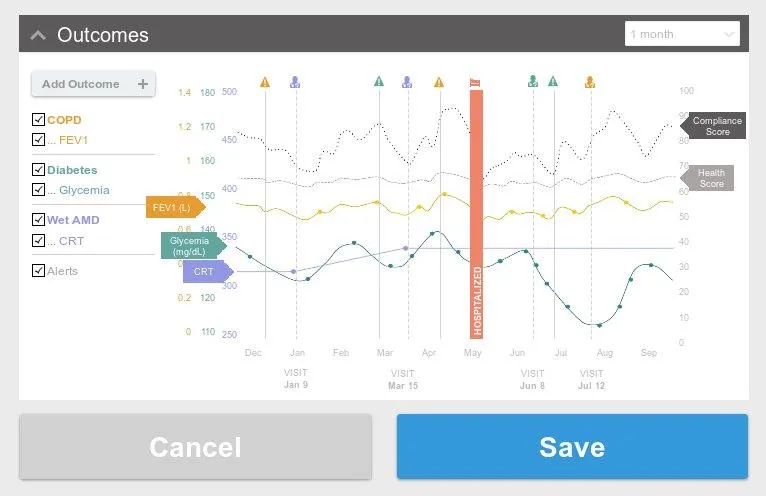
With the efficient data-tracking of digital therapeutic systems, patients can log in and have immediate access to all of their numbers, charts, and history. With sleek and easy-to-understand design, they can get information about their disease and answers to treatment and medication questions that pop up long after leaving the office. They can access information on experimental therapies currently being studied and tested, and if that isn’t enough, many digital therapeutic platforms offer support networks so patients can communicate, exchange information, and encourage one another.
Patients are not the only ones who benefit from refined and user-centered interaction. A vast and reliable database of medical information based on epidemiological and demographic studies is at the hands of doctors. With straightforward and engaging design, this automated information becomes easily-accessible, user-friendly, and immediately provides the data they need to make imperative decisions with increased accuracy. This ultimately reduces potential liabilities and operating costs.
When doctors and patients have an in-place tracking system of communication and treatment progress, insurance payers and Medicare can better track patient compliance and physician performance. This cuts their liability and operational costs and ultimately puts the savings back in the pocket of the patient.
Managing Medical Research Data Depends on Good UI/UX Design
Another stride forward is in medical research. The sophisticated and intelligent data system provides massive amounts of information to researchers for analyzation. Pharmaceutical companies can also locate and recruit patients for clinical trials and contribute to the accumulation of more relevant medical information.
The accuracy and availability of the physician-confirmed data in physician-to-patient portals is one of the main assets making such a substantial leap forward in digital therapeutic progress. However, clean user-flow and design are arguably just as important. UX/UI designers take great care to ensure the usability of these data-driven systems is top-notch, innate, and crystal clear. The most accurate information in the world is not trustworthy if the interface is difficult to understand and navigate. The user-journey must be organized in a transparent and dependable manner that evokes trust and safety. This is particularly important considering much of the digital therapeutics user market is middle-aged or older and many of these users do not have the understanding of symbolic graphical icons inherently understood by younger users.
Physician and their staff members are critical users as well, and their interface includes even more advanced features. A smooth and seamless interface is especially necessary here since the introduction of these systems interrupts their established procedures and workflows. It is crucial to become familiarized and comfortable with these systems quickly. Top designers understand how imperative the onboarding process is and organize the steps into a super-manageable, lightweight, and efficient process.
Designers take a very complicated and complex amount of information and process and arrange it into simple, sheer, and manageable tools. When you combine their accuracy with an excellent user design, digital therapeutic tools can contribute to a profound and substantial advancement in the medical industry and help improve the lives of many patients, doctors, and industry workers.