
by Adam Singleton
A normal user is going to click your button.
The user won’t see any kind of error message, which is maybe what you intended, but on the other hand, the button will seem to do nothing. The user will have no way of knowing whether she did anything wrong. The user will try it several times out of desperation. Then the user will attempt to contact you… No, actually that part may never happen. Then the user will close your app and go to bed because there is no conceivable way to determine what’s wrong or even if there is something wrong, and it’s literally too much trouble to ask. You’ll never know there’s a problem until nine months later when the user has to call you about a completely unrelated matter…

by Adam Singleton
In my fourth post about the D3.js library for creating data-driven documents we will explore zooming in on detail within a chart and, indirectly, how one might organize their charting code in a single javascript object.
by Adam Singleton
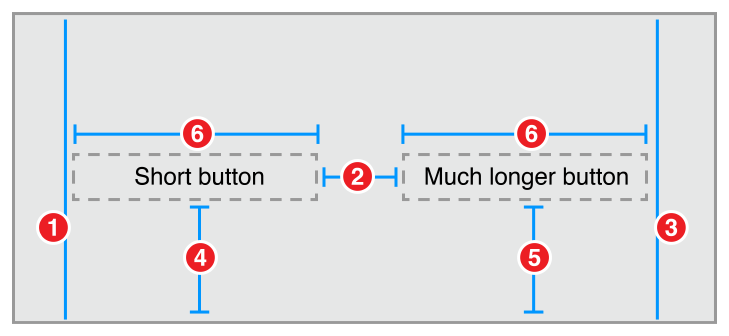
With the release of the iPhone SE and the iPad Pro, along with the expectation that iPad apps will include support for slide over and split screen mode it’s now clear that Auto Layout is here to stay. If you’re not already developing apps using Auto Layout and Size Classes now is a great time to learn more about them and prepare yourself for any updates to the APIs that Apple introduces at WWDC in June.
Fortunately there’s a lot of great resources to quickly get up to speed and learn the best way to support a variety of devices and size classes in your next app.

by Adam Singleton
So I’m building these web apps in my spare time (because that’s what I do), and I’m adding RSS feeds for certain types of updates, et cetera. But when I think of my immediate friends and family, I don’t picture them using RSS.
So, on a whim, I type into Google something like “Who uses RSS?” But all the articles start with something more like “Who uses RSS any more?”

by Adam Singleton
Long ago I gave some off the cuff, first impressions about Swift. Since then there have been several upgrades to the language, but I have only recently found myself trying it out. Specifically, I decided I had the time and inclination to implement Conway’s Game of Life. I wanted to try Swift on as a language, see how hard it makes me work to get to the bytes, and see how efficient I could make my code. Life’s matrix of cells provides a good substitute for the kind of byte by byte programming I often need to do and gave easy measurement opportunities by timing the updates of the life matrix, AKA ticks. What did I learn?

by Christopher Keefer
You’ve built the web application of the century, and the users have rightly flooded to it. Cat pictures for everyone!
But alas, while your users indulge in cat-induced bliss, the cold hard reality of server costs cannot help but harsh your mellow. What is to be done?
Maybe, you could get the users to… pay for access to your incredible web application in all its multivarious splendour?
