by J. Carlos Perez
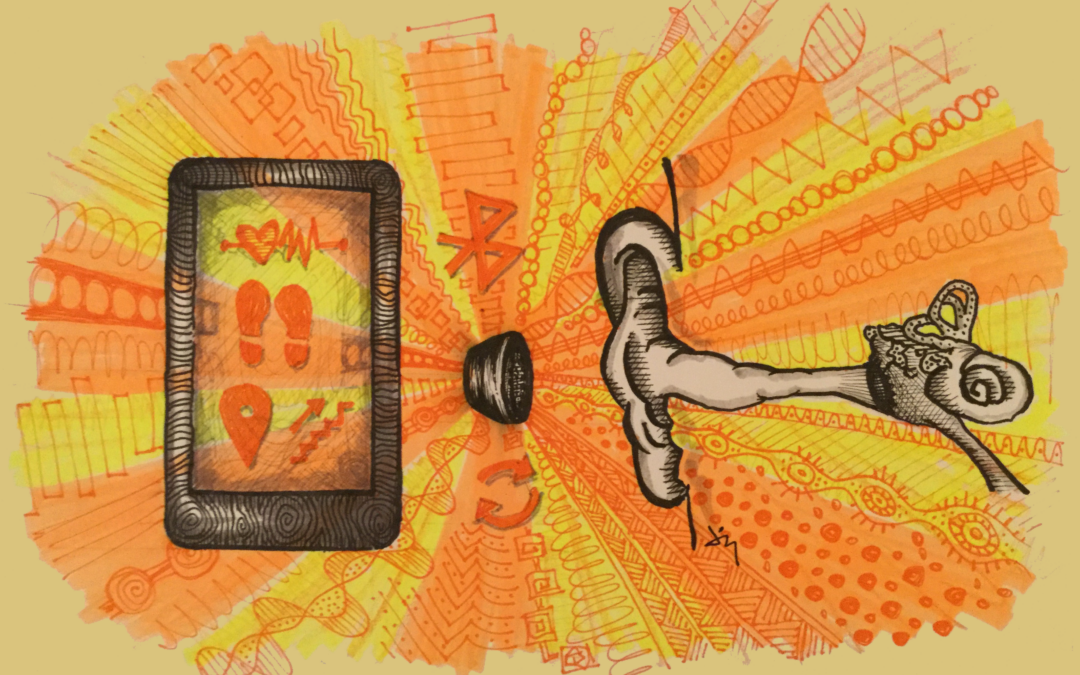
Will hearables be the next big thing? One recent study by Juniper Research suggests that it could reach $5 billion in revenue by 2020. That’s quite a leap from the current revenue of roughly $1 billion worldwide. But what are hearables and why would you want to develop this kind of IoT device?

by Kendall Wyman
You’ll see three kinds of hikers on the trail: The ones who seem to float on their tippy-toes from the crest of one granite stone to the next; the ones who seem to swim up through the leaf and boulder strewn path like fish gracefully navigating invisible waters; and those who look miserable — jolted with every step as the stutter and drop and climb, gracelessly jarring knees and ankles and backs.
by J. Carlos Perez
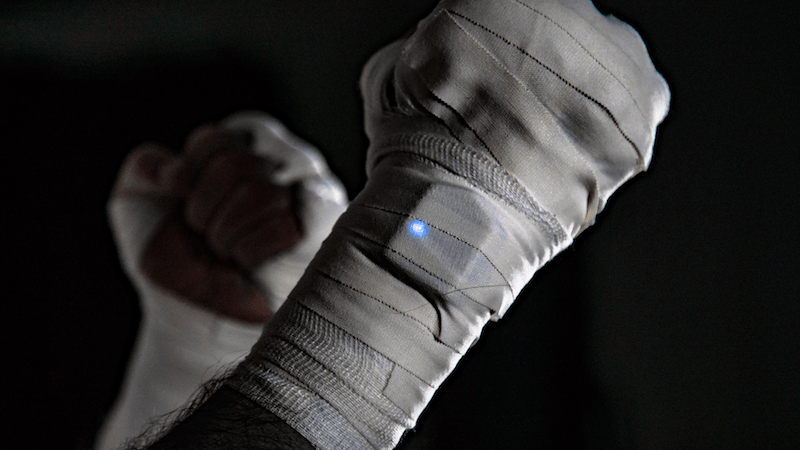
Aside from the obvious examples, wearable tech has been all over the place at the Rio games. Olympic boxer, Tommy Duquette, for example, trained using a sensor that he helped develop. Worn on the boxer’s wraps, the sensor is designed to calculate the number of punches a fighter throws, as well as the speed, striking intensity and type of punch (jab, cross, left or right power).
by Kendall Wyman
One of the main tenets of outdoor survivorship is that it is essential to observe your environment. Closely. But observation is only half of the required skill. The other half is an unbiased interpretation of the data you are being given.
Wilderness mishaps and death stories are filled with cautionary tales of people who blindly ignored obvious signs of risk and danger. And, when I say blindly, I mean they made the types of decisions that cause people – those safely listening in their armchairs and far from the buggy, evening woods – to gasp, agog, and say, “What were they thinking?”

by Paul Hershenson
This morning, I read that Nintendo’s stock has more than doubled since the release of Pokemon Go and, as of this writing, Nintendo is worth more than Sony. A couple of days ago, Pokemon Go surpassed Twitter in active daily users and Facebook in engagement. Wherever you go, it seems, there are hordes of people catching enigmatic little virtual monsters and crying out with glee. But here’s the thing: how many more times will people spend their time playing Pokemon Go?

by J. Carlos Perez
The little pocket monsters known as Pokemon were first released in the mid-90s as a game for Nintendo’s Gameboy. Fast forward 20 years, and we’re suddenly watching the resurgence of a handheld game that was originally based on the creator’s fascination with insect collecting. The added twist, however, is that augmented reality now makes it possible to let game makers populate our reality with virtual characters that we can spot through our phones. The game has changed. The rapid, overwhelming success of Pokemon Go! surprised even John Hanke, chief executive of Niantic, Inc., the Alphabet spinoff that co-developed the game with Nintendo. Part of his surprise was the rapidity with which the game surged as well as its immediate, and impressive impact on the company’s bottom line. But should it have been so surprising?
