
by Paul Hershenson
If you want to make yourself too anxious to sleep at night, take a security expert out to lunch and ask about all of the ways in which your personal information is vulnerable at home, work, and on the internet. It will be an eye-opening experience! You’ll hear about encryption standards, key management, multi-factor authentication, SQL injection, DDoS attacks, men in the middle, attack vectors, AppSec, OWASP, Pen Tests, social engineering, black hats, white hats, grey hats and one hundred different terrifying data breaches (Target, Sony, Anthem, Home Depot and the like). Here’s some advice on how to protect yourself.
by Kendall Wyman
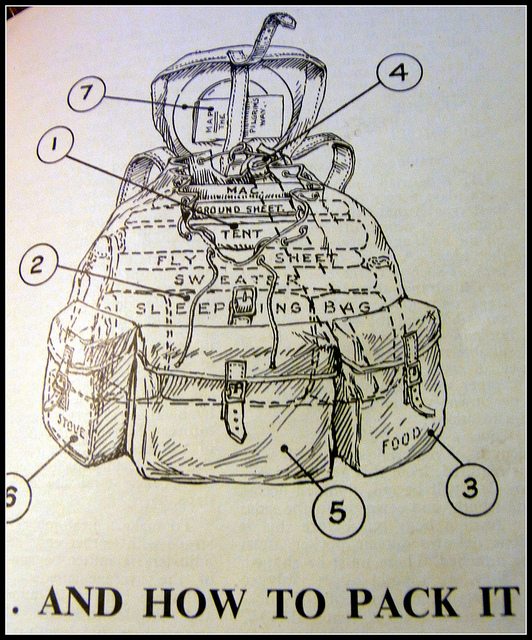
My father lifted my pack into the back of his car in the EMS parking lot in North Conway, where we’d agreed to meet to carpool the rest of the way into The Whites. He whistled low and under his breath. “Geez, Kendall.” “What?” I was grabbing poles and double checking to ensure I had ACTUALLY put my boots in his car. “Your pack is light . . . you sure you’ve got enough here? I mean, there’s running lean and then there’s running lean. . .”
by Adam Singleton
Apple held WWDC16 in San Francisco earlier this month to introduce new versions of iOS, tvOS, watchOS, and a new version of OS X that’s been rebranded as macOS. These new versions are available to developers now and will be more widely available through Apple’s Public Beta program soon, with final releases this Fall. Alongside the new software, Apple announced some exciting changes coming to the App Store, too: Search Ads and more open and flexible subscriptions.
by Kendall Wyman
Adapt or die. Accept change or risk losing everything the organism has endeavored to achieve. Let go of what one thought one was to become and be what one is. Kill your darlings. Faulkner’s oft-quoted phrase is frequently used to admonish young writers to edit critically, even when that means killing off beloved, favored words, sentences, paragraphs, themes and even characters. It is advice I have clearly not taken here but let’s set that aside for the time being.
by J. Carlos Perez
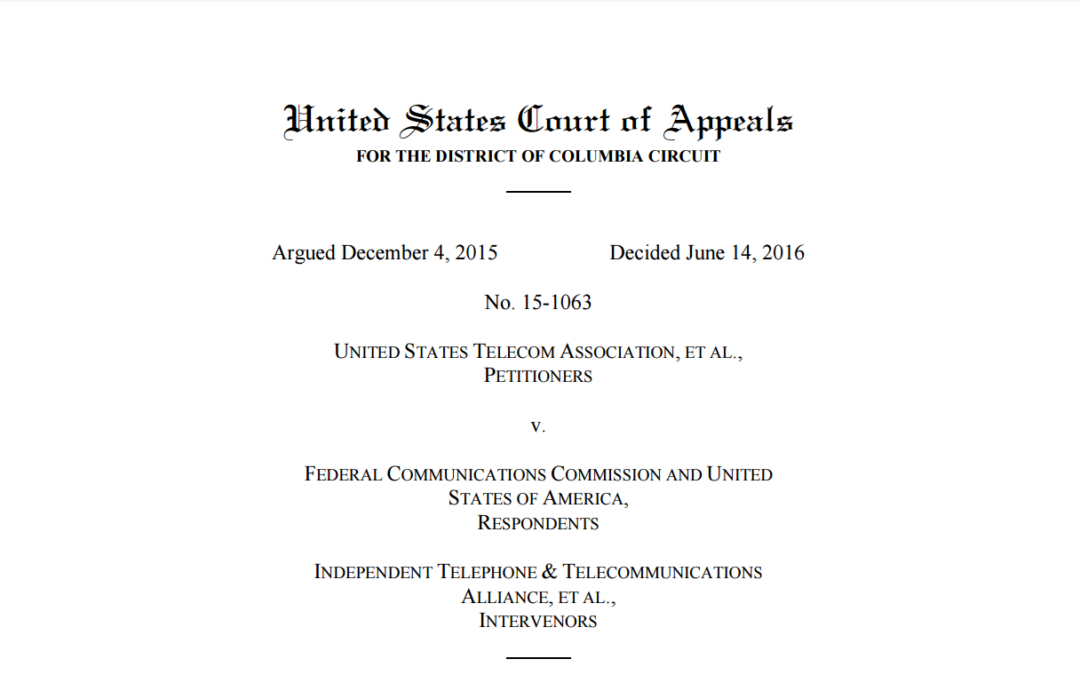
The federal appeals court in Washington, D.C. decided to keep the rules that require Internet providers to treat all web traffic equally. Internet providers had been challenging the FCC’s determination that phone and cable companies should not throttle or block websites from companies that are not willing to pay extra for a virtual fast lane online. Essentially, it means that high-speed internet should be defined as a utility rather than as a luxury and that no broadband service provider, whether fixed or mobile, should interfere with a consumer or business’ access to a fast, fair, and open internet. The FCC summarizes the rules as follows:

by J. Carlos Perez
So the “internet” is now lower-case, and my spell check has already been updated to reflect that. Things move quickly when you work from the cloud, and since I use Google Docs to write and edit a lot of my work, the change might have happened well before I really took notice. As I was thinking about this decision to lower the “I” in internet (which was actually made by the Associated Press back in early April 2016), I wondered just how often the lower-case version had been used since it entered our shared lexicon. To answer that question, I turned to the Google Books Ngram Viewer, and this is what I found:
